

Campaigners urge Holyrood candidates to back trans-inclusive conversion therapy ban
With just over a month to go until the Holyrood election, End Conversion Therapy has launched its campaign for a conversion therapy Bill in the next parliamentary session.
The LGBTQ+ campaign group is contacting candidates standing for election, urging them to pledge support for a trans-inclusive conversion therapy ban. This includes a commitment to “oppose institutionalised conversion practices through the denial of healthcare to trans people”. It is surprising that they want to campaign for sterilising children when public opposition to puberty blockers is so high. But their characterisation of disagreement with their political demands as ‘conversion therapy’ is par for the course. That’s why they want it to target the Church.
In the media, activists claim they are simply targeting abuse. But this campaign is not about outlawing genuine abuse – since that is already illegal in Scotland. Instead, End Conversion Therapy wants a law that would criminalise Christians for expressing traditional beliefs on sexuality and gender, and force parents and clinicians to socially – and even medically – transition gender-confused young people.
The group is asking candidates to disregard the Cass Review, which led to Scotland’s ban on puberty blockers for under-18s over serious concerns about their safety and long-term risks. Dr Hilary Cass warned specifically about the impact a conversion therapy law could have on clinicians, who are, she says, already fearful of being accused of carrying out “conversion therapy if… they take a cautious or exploratory approach” to gender.
How the campaign for a ban began
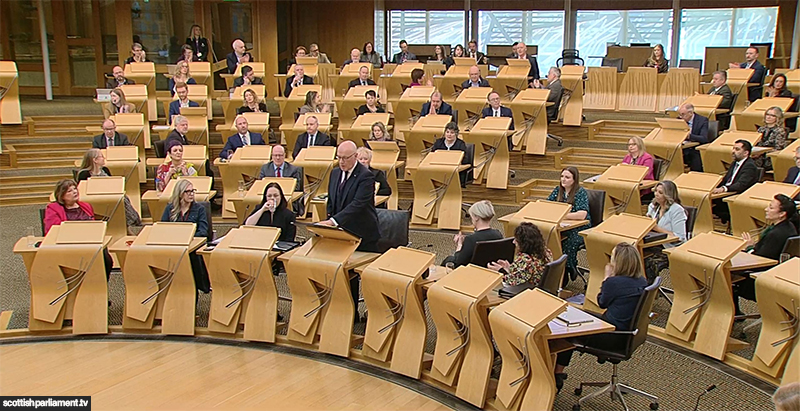
During FMQs today, First Minister John Swinney said that, should the SNP form the next government, it will introduce a conversion therapy Bill if the UK Government does not deliver one. With the election just weeks away, it is somewhat surprising that he is committing to opening this Pandora’s Box – especially given its parallels with the Gender Recognition Reform Bill, which proved deeply unpopular with the public and is widely regarded as contributing to the fall of his predecessor, Nicola Sturgeon.
Calls for a Scottish conversion therapy law date back to July 2020, when End Conversion Therapy Scotland spearheaded a petition.
A year later, a commitment to legislate was written into the Bute House Agreement – the power-sharing deal between the SNP and the Greens. But despite the two parties commanding a parliamentary majority, plans for a new law faced successive setbacks, as the human rights challenges became apparent.
When a draft Bill was finally published in January 2024, the public and media reaction was overwhelmingly negative. Headlines warned that parents could face jail time for dissuading their children from gender treatment, while lawyers, women’s groups, parents and church leaders condemned the plans as compelling adherence to a single ideological viewpoint. Much of the criticism centred on how broadly the Bill was drafted, since merely refusing to affirm a person’s LGBTQ+ identity in prayer or private conversation would have fallen foul of the Scottish Government’s proposed definition.
Amid rumours of a revolt from its own benches, and warnings that it could face another judicial review, the Scottish Government announced in September 2024 that it was shelving its own plans and handing responsibility over to Westminster.
However, south of the border, legislation has been repeatedly delayed. Although a draft Bill was reportedly on the Prime Minister’s desk, ready for sign-off, last summer, there were sticking points around religious and parental freedoms. It’s clear that, although the Westminster Government remains publicly committed to introducing a draft Bill in this parliamentary session, significant legal challenges remain.
Read more in our blog: The legal case against a ‘conversion therapy’ law
Campaigners urge Holyrood candidates to back trans-inclusive conversion therapy ban
2026-03-25 17:33:15New Irish Govt Programme, same ‘conversion therapy’ promise
2026-01-30 09:42:59The Traitors and the misguided conversion therapy debate
2026-01-23 15:07:47