

Conversion therapy guidance tells parents to ask their children “what pronouns” they want them to use
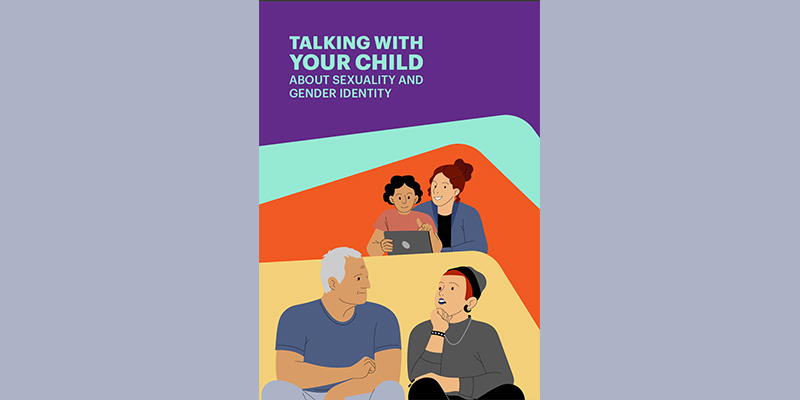
Guidance has been issued for parents in Victoria on ‘talking with your child about sexuality and gender identity’, as part of the state’s ongoing efforts to enforce its conversion therapy law.
The guidance was published by the Victorian Equal Opportunity and Human Rights Commission (VEOHRC), which has a track-record of telling parents what they can and cannot say to their own children.
When the ban came into force in 2022, the VEOHRC said that a parent discouraging their child from taking puberty blockers would be guilty of unlawful conversion therapy — this was only deleted following public backlash.
The latest guide on the law, encourages parents to ask their children, “what pronouns and other language they would like you to use”.
Telling parents to affirm their child‘s self-declared identity is not a loving or harmless act. As the Cass Review observes, social transition – including the use of preferred pronouns – is a significant psychosocial intervention that can influence a young person’s future trajectory. For some young people, these early acts of affirmation put them on a pathway towards irreversible medical treatment, since evidence shows that “if adults ‘affirm’ a child as the opposite sex, the child will hold on to that belief for longer”.
The guidance repeatedly presents contested ideological claims as though they were settled and unquestionable facts. For example, it states that: “It’s not possible to stop someone from being LGBTQA… Trying to change who they are can harm your child’s mental health and damage the trust in your relationship.”
This is an astonishing claim, given that childhood gender dysphoria naturally resolves for most children by the end of adolescence. That is to say, the vast majority of young people who experience confusion about their sex simply grow out of it. As the Cass Review notes: “Young people’s sense of identity is not always fixed and may evolve over time.” It would therefore be wholly irresponsible for any parent to unquestioningly affirm their child’s self-declared identity.
The guidance also warns that: “It may be against the law for a parent, or anyone else, to send their child to any kind of program, therapy or counselling designed to stop them from being LGBTQA – even if their child agrees or asks to go.”
This could be interpreted to capture any therapist or religious leader who does not take an affirmation-only approach to LGBTQ+ ideology. Since Victoria’s conversion therapy ban was introduced, parents in Victoria have reported difficulties accessing support for their gender-confused children. One mum, Sarah, whose daughter suffers from anxiety and gender dysphoria, said that health professionals were too scared to treat her daughter for fear of being prosecuted.
The guidance goes on to list examples of ways parents can harm their children under Victoria’s conversion therapy law, such as by “stopping [them] from accessing LGBTQA support services” and “praying with [them] for them to stop being LGBTQA”.
It is not difficult to see how a parent who prevents their child from attending meetings run by an LGBTQA activist group could be accused of causing harm. Likewise, a parent who prays with their child in accordance with the Bible’s teachings on sexual ethics could be accused of engaging in unlawful conversion therapy.
Victoria’s conversion therapy ban shows what happens when the State is given carte blanche to impose its ideological agenda on families. With both the Westminster and Scottish Governments committed to introducing bans that reach into the home, what is happening in Victoria should trouble UK parents. Legislation in this area is not about outlawing genuine abuse – since that is already illegal – but about further eroding parents’ ability to protect the best interests of their children.
Conversion therapy guidance tells parents to ask their children “what pronouns” they want them to use
2026-06-04 15:42:48Religious leaders call for rollback of Victoria’s oppressive conversion therapy ban
2026-05-29 13:49:33Stonewall’s absurd ‘conversion’ claims: a flawed basis for policy
2026-05-20 14:19:12