

Malta’s conversion therapy case: a warning for the UK
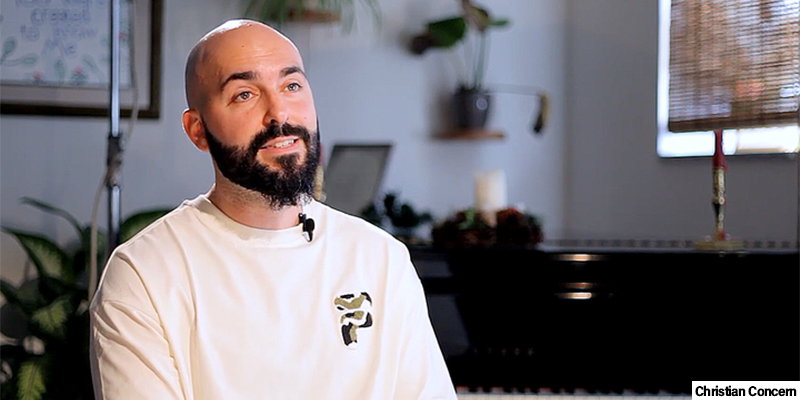
On 4 March 2026, Matthew Grech was acquitted of advertising ‘conversion practices’ on television by Malta’s Magistrates Court, in what is believed to be the first prosecution of its kind worldwide.
The case, supported by the Christian Legal Centre, dates back to April 2022, when the charity worker appeared on an independent Maltese news channel to share his personal story. He spoke about his faith and how becoming a Christian had led him to leave behind a homosexual lifestyle. Less than a month later, prominent activists from the Malta Gay Rights Movement filed complaints with the police, claiming his testimony amounted to a promotion of ‘conversion practices’.
In January 2023, the Maltese Government rushed through an amendment to the 2016 conversion practices law, criminalising ‘advertising’ conversion practices. At the time, activist Gabi Calleja told the press that the change was driven by the fact that the police had been unable to respond to previous complaints!
Fast forward to earlier this month, when Magistrate Vella ruled that applying the 2023 definition retroactively to a 2022 interview would violate a fundamental principle of justice. Crucially, she affirmed that Mr Grech had committed no criminal offence and that sharing his personal testimony did not constitute advertising conversion practices. The two journalists who interviewed Mr Grech were also found not guilty.
Magistrate Vella further upheld freedom of religion in her judgement, stating that individuals in Malta have the right to speak about and promote their religious beliefs.
The process is the punishment
Reacting to the ruling, Mr Grech thanked God that justice had prevailed, saying: “Today’s decision is not just a personal vindication it is a reaffirmation of a fundamental principle: speaking about one’s lived experience, including the transforming power of Christ, is not a crime.”
He also acknowledged the personal toll of the three-year trial and 17 court appearances, saying: “Over these past three years, the process itself became the punishment. I endured emotional strain, reputational damage, financial cost, and constant uncertainty. No one should have to live under the weight of criminal charges simply for exercising their right to free speech.”
The Malta ruling should serve as a warning to legislators here who claim it is possible to draft a conversion practices law without endangering freedom of belief and expression. What Mr Grech’s case shows is just how easily such laws can be weaponised by LGBTQ+ activists with an anti-Christian agenda. Existing law already provides robust protections against abuse which benefit all of us. Here in the UK, the legal advice is clear that any extension of the criminal law could criminalise ordinary conversations about sexuality and gender. The UK must not repeat Malta’s mistake of exposing innocent people to prosecution simply for upholding traditional Christian beliefs.
SNP passes motion demanding extreme conversion therapy ban
2026-10-20 06:54:21Scot Govt questioned over regular meetings with LGBTQ+ groups on ‘conversion therapy’
2026-10-05 11:18:27Scotland’s still passing the buck on ‘conversion therapy’
2026-09-08 11:49:33